
Tags
Have you ever listened to a story being told by a reader who has a monotone voice? When you are reading a book, how does the story “sound” in your head? Do you even enjoy reading, or do you find it boring or “difficult”. Is it only the writing that gives life to a story, or does our imagination play a part?
In writing, a useful adage to go by is “Show, don’t tell.” When actors go on stage, or they are being filmed, the same applies. They use their bodies – how they hold themselves, how they walk, their facial expressions, the movements of their limbs and even a tilt of the head, to show the story they are telling. They also use the varying intonations and volumes of their voices, so the audience can understand the real meaning of the words they are saying. True, each member of an audience interprets what is presented to her or him in a way unique to herself or himself, but there is likely a common idea of what the story is about, even if little nuances and meanings vary from person to person. The actors “show” rather than “tell” the audience the story. If an actor is able to do this successfully, she or he has done a great job.
When we read books to small children, we are more likely to grasp their attention if we recite with varying expressions – different voices, volumes and beats. To be honest, the same goes if we are reading something aloud to adults. They will be far more inclined to stop what they are doing and listen, if we intonate, accentuate and enunciate with a fluctuating voice.
So what happens when we read books to ourselves? Some people say they “hate” reading and would rather watch the movie of the book or an adaptation made into a series. Why is this? Is it because the screenwriters, producers, directors and actors of these do a better job at “showing” the audience the story than an author of the book from which the film or show was adapted? I don’t think this is the case, as most people, who read the book and watch the film or show, say, “The book is much better.” So why are there many who simply do not like reading? Let’s not include those who find reading difficult in real terms – in other words, people with dyslexia or anything similar. There are a lot of other people who are able to read easily, but simply do not enjoy it. Why is this? How can one help them to change their views about reading? How can reading be made more interesting to people who generally don’t enjoy it?
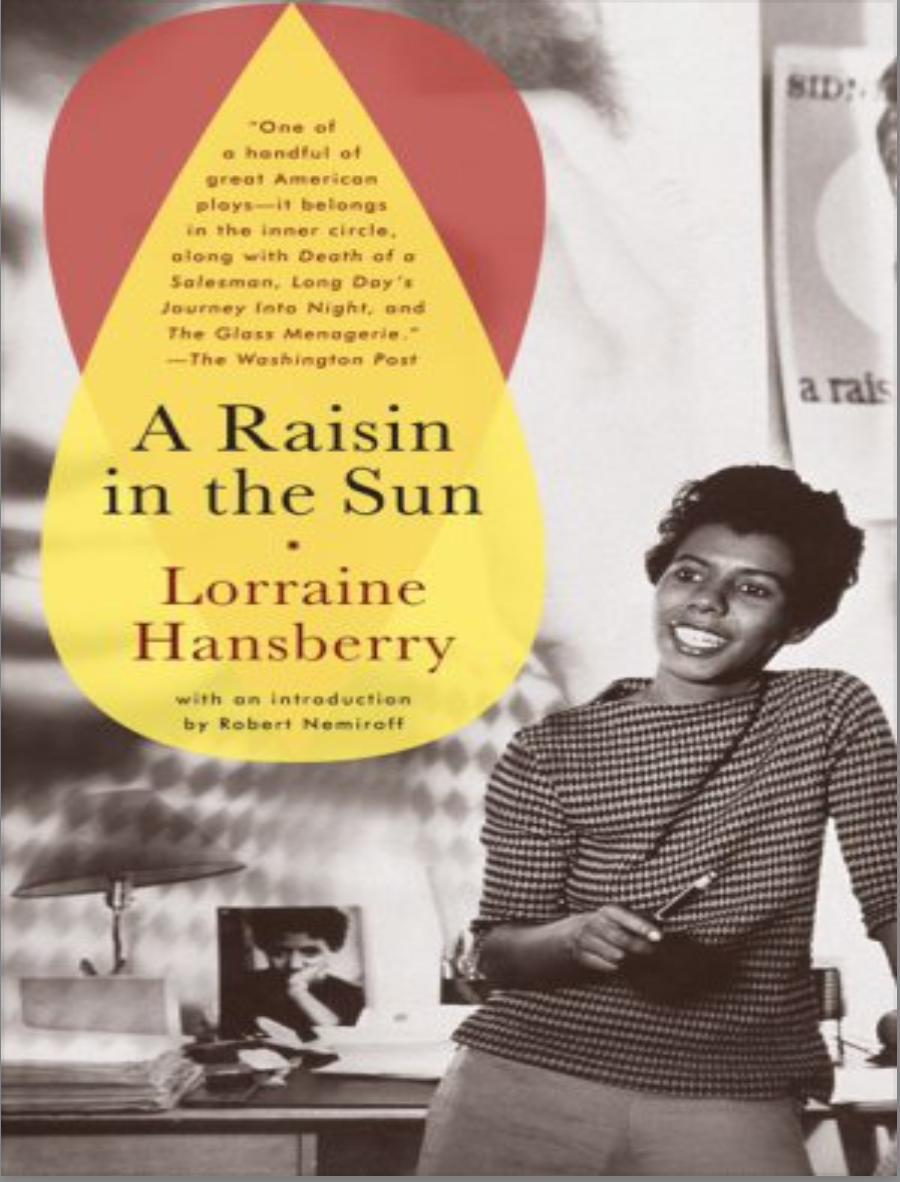
If you’ve read the blog I wrote yesterday, you’ll know that I have rekindled a hobby that I had in my teens – acting. I attend an acting class once a week and in the first class we focused on “show, don’t tell.” This led us to reading lines from two great plays (‘A Raisin in the Sun’ by Lorraine Hansberry and ‘Tale of the Bellywoman’ by Jonathan McLaughlin). What I noticed was it was much easier to follow the storyline of what we were all reading when we fluctuated our voices (see aforementioned). Of course, when we then had to act while reading, the stories came to life even more. At the end of the class, we were sent the full scripts of these plays, both of which I have now read.
Truth be told, if you read a play in your head in a monotone “voice”, it is going to be quite boring. So, do you know how I brought these plays to life? I gave each character an actual voice, an accent, in my head, and I read the lines with those voices/accents in my head. Each of the two scripts instantly came to life for me. I also made sure to read the stage direction notes that are included in the script, because this helps to stir up one’s imagination. When an author writes a book, she or he includes descriptions of the people, scenery, weather, noises, and so on, in her or his story – setting the “scene”, so to speak. Some authors use more description than others, some use more dialogue than others.
Whatever we are reading, I think it helps to picture the characters, imagine who they are and how they sound and even read the words in the accents or voices we imagine the characters to have. I believe that if we all approach reading this way, we could all enjoy books. Some books are long and often this may put someone off because she or he doesn’t have the time to read. Play scripts are much shorter than novels and non-fiction books in general, ergo play scripts are quicker to read. There are countless scripts, which tell incredible stories with so much depth, ones that carry valuable humour, heart and life lessons, yet we are not reading them. Why is this the case? Is it because we think they are only for the actors? Why can’t play scripts be read by us all? They can be.
Recommended Play Scripts: ‘A Raisin in the Sun’ by Lorraine Hansbury; ‘Sweat’ by Lynn Nottage.
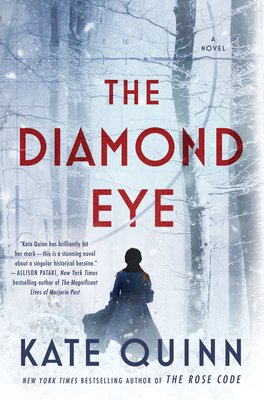
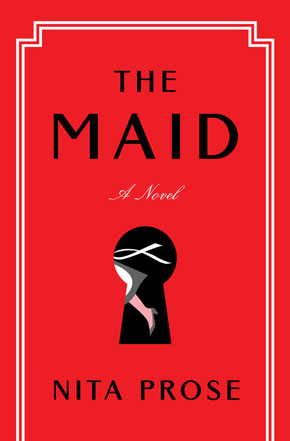
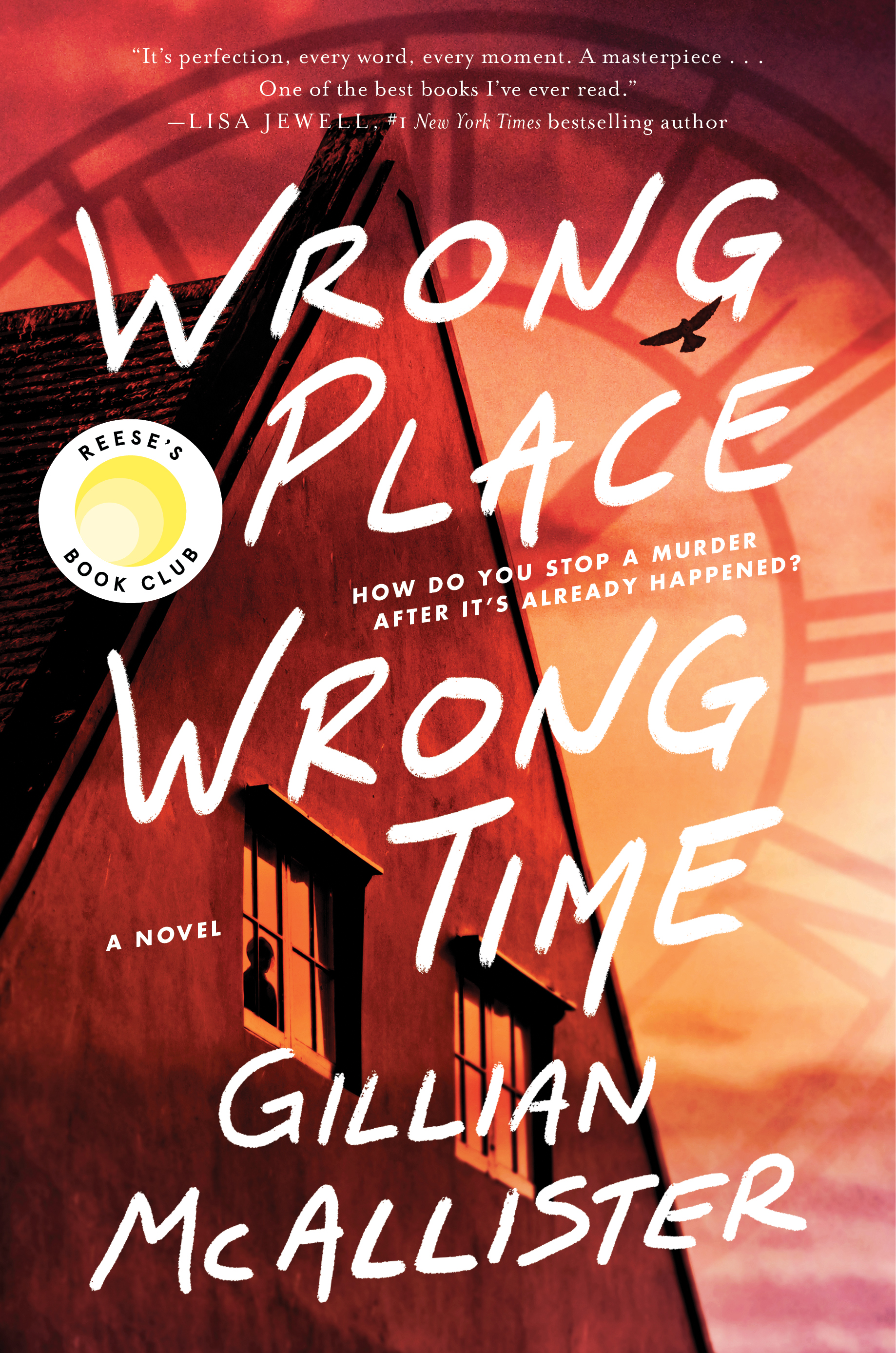
Recommended Novels: ‘The Diamond Eye’ by Kate Quinn; ‘The Maid’ by Nita Prose; ‘Wrong Place Wrong Time’ by Gillian McAllister

 CyberBright