
By the time our children in Jamaica reach Grade 7 (Form 1), they will be mentally burned out. Of course, there are always exceptions to statements such as this, but I will try and explain why I believe it to be the case for many, if not most.
In the late 1950s, the Common Entrance Examination (CEE) was introduced in Jamaica. Children leaving primary education would take three exams (Mathematics, English Language and Mental Ability) in Grade 6 and, pending their results, they would be placed in a government high school. The exam changed some forty years later to Grade Six Achievement Test (GSAT), whereby Grade 6 students would take five exams (Mathematics, English Language, Science, Social Studies, Communication Skills) and, pending their results, they would be placed in a government high school.
As we Jamaicans know, all schools are not academically equal for a plethora of reasons. Thus, notwithstanding a small number of exceptions, the results of your exams would determine in which high school you were placed from the list of your choices. Due to high competition, very few actually got their first choice or even their second choice, out of the five preferred schools chosen by the individual students and their parents. I knew children scoring 90% in GSAT who believed themselves to be failures because they were placed in their third choice schools. In which other country is an average of 90% deemed a failure? To give some perspective within Jamaica itself, an overall term average of 90% or above in your academic subjects at Campion College awards you a First Class Honours.
The year before the Covid 19 pandemic hit, Primary Exit Profile (PEP) was introduced to the then Grade 6 (graduating class of 2019) and to Grade 5 (who would be graduating in 2020). The former students took a total of seven exams (one Ability Test, two Performance Tasks – Mathematics and Language, four Curriculum Based Tests – Mathematics, Language, Science and Social Studies) and were placed in a school from their seven choices. Some did not even get into one their seven choices! The latter students took four exams (Performance Tasks in Mathematics, Language, Science and Social Studies) and were slated to take seven exams, like the previous Grade 6, in 2020. Alas, all children across Jamaica were sent home on the afternoon of 12th March, 2020 and “homeschool” began on Friday, 13th March, a few weeks after Grade 6 students had taken their Ability Test and before the remaining six exams were given. The then Grade 5 students were also unable to take any of their PEP exams.
For the next two years, the majority of school students in Jamaica remained in “online” school. Meanwhile, the government attempted to keep “business as usual” when it came to these entrance exams for high school. The Grade 4 cohort of 2020-2021 had been slated to be the first Grade 4 class to take two PEP exams (Performance Tasks in Mathematics and Language), but were unable to do so because of the pandemic. So, while immense stress was building for these younger children, the real pressure was presented in the academic year 2021-2022, when Grade 4 students across the nation became the first year who would have to endure a total of 13 PEP exams, taken over three years. Their first two exams were taken at the very end of June 2022. Almost seven months later, there have been no results. Yet these students, who are now in Grade 5, are scheduled to take the next four exams (Performance Tasks in Mathematics, Language, Science and Social Studies) in less than five months. These same students will take another seven exams (aforementioned in the paragraph above) when they are in Grade 6 next year. Like I said, 13 PEP exams within three years, and the competition remains as stiff as it ever was, if not more.
If you are already exhausted from reading this blog, imagine how the children feel. They begin this preparation from nine or ten years old and continue right through to when they turn 12 or 13 years old. Please note that this is all before they have even reached Grade 7 (Form 1)! While there was always pressure on Grade 6 students to ensure they did not mess up any of the three CEE exams, or the five GSAT exams, for 60 years, we have come to a place whereby the stress has been pasted and layered upon our children so thickly, they cannot afford to mess up one single exam out of the total 13 exams that determine the school in which an individual is placed.
Do you know how they come to achieve this? Extra lessons. It is very difficult for all teachers to cover the entire curriculum and to prepare all their students for all these PEP exams within school hours, so what does one do? Extra lessons. Your child may already be at school from eight o’clock in the morning to three o’clock in the afternoon, but now you have to consider extra lessons so that your child can compete at the level expected? You must now find academic tutors, conjure up the funds to pay these tutors, subject your child to more classes after school ends during the week, as well as on weekends, and they must also find time to complete their school-assigned homework, participate in sports/activities, be transported home, eat and get enough sleep! We, as parents, will also expect our children to behave nicely at all times and get the academic results we believe they should be getting. Do you see how unrealistic this is? Yet this is REAL. This is actually happening in my house and I know it is happening in yours.
Do you now understand why I believe the burnout on young students is real? Our media has reported that our government is concerned about the mental health of Jamaicans. To our Prime Minister, our Minister of Education, our Government, the Senate and all other powers who can effect change, I ask these questions in earnest, with no intention of blame (yet!): “Do you believe that it is truly in the best interest of our children and our country to place such young students under so much academic pressure? Do you think that this will truly benefit their futures and the future of our country? Is there a possibility that the current (and extensive) curriculum and rigorous examinations are adversely affecting the mental state of young students and their families? Could you and would you possibly consider an immediate revision in the current curriculum and examination process?”
There are scores of other countries that have a healthier approach to raising and educating their children, Scandinavian countries included, and I am truly wondering if we could just take a serious look at the education systems across the world and find one that would be better suited for our children. I am under no illusion that there is a simple solution, nor do I think this will be an easy task, but I truly believe we are in dire straits here and if we do not change the status quo imminently, then we are in for a multitude of mental health problems, which have probably begun already.
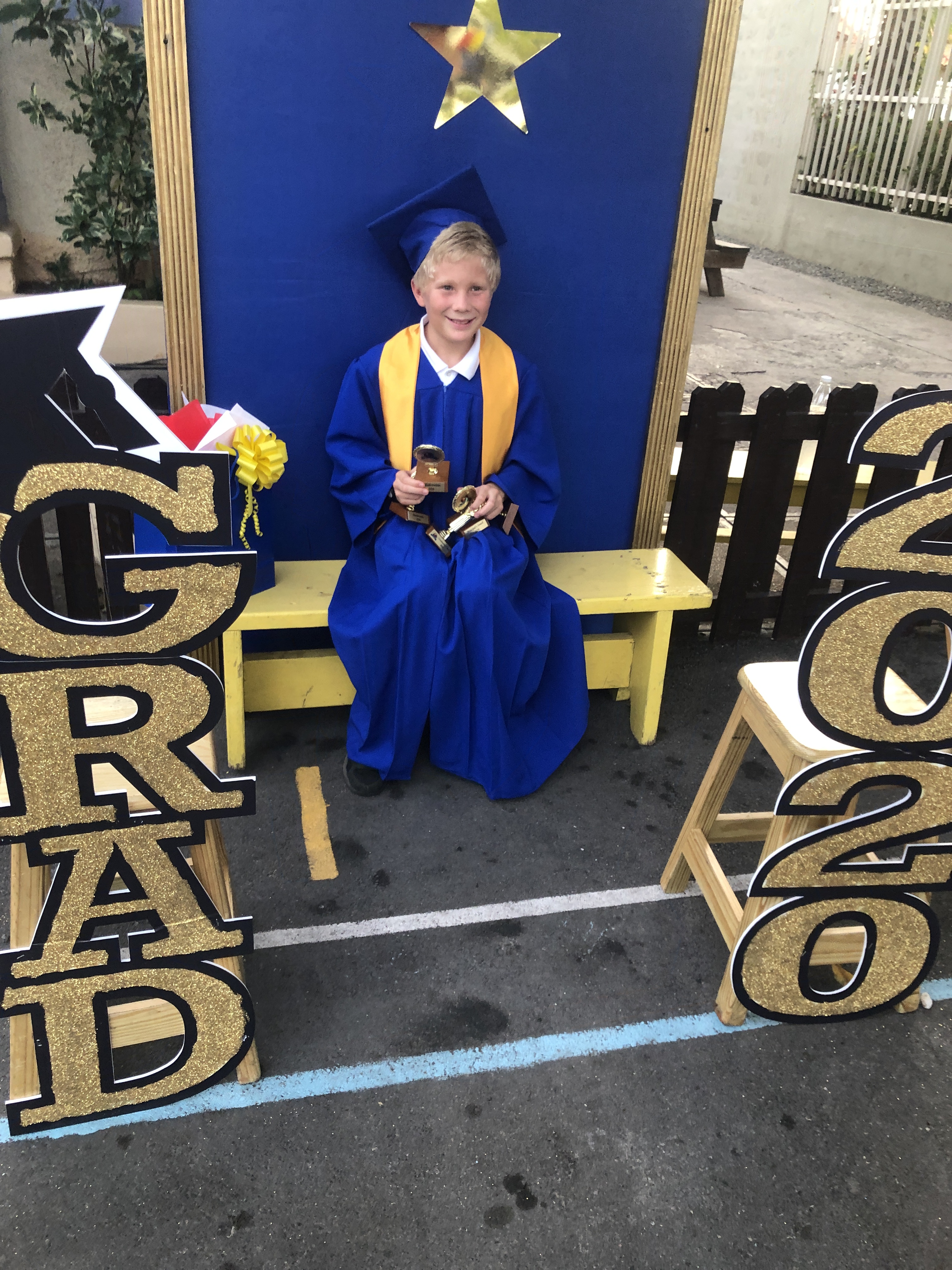
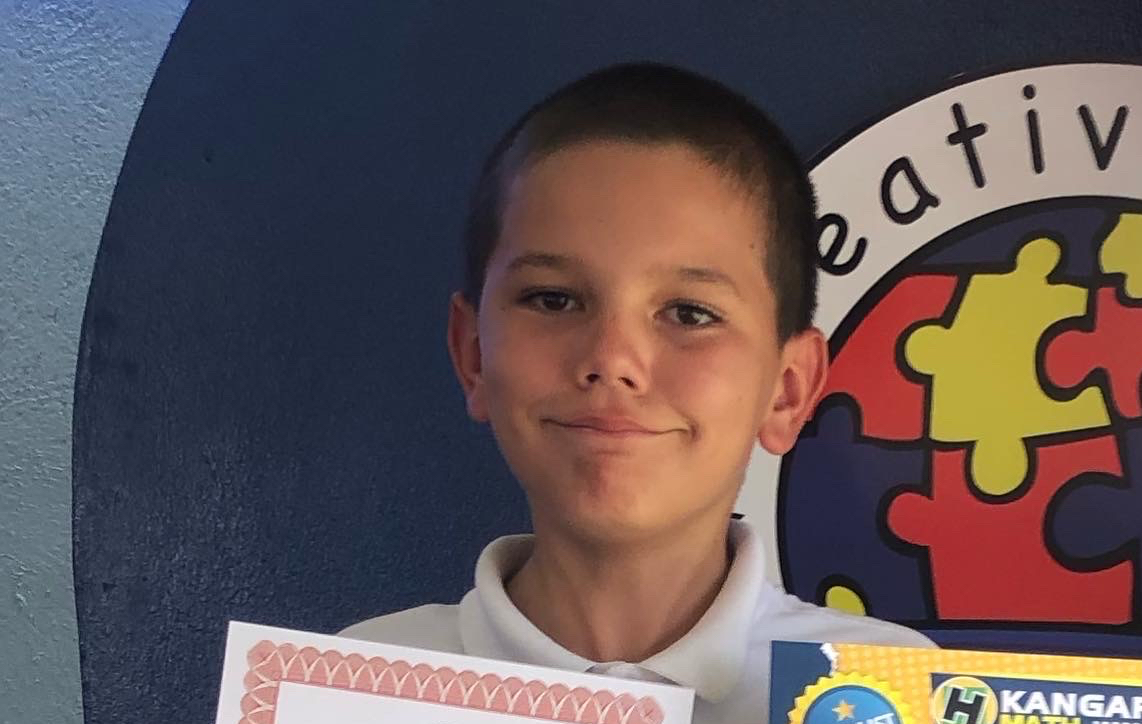


As an educator and a parent, I cosign.
LikeLike
Thank you!
LikeLike
We talk so much about mental health and continue to stress out our children with these national exams that add more stress. we need to find healthier ways to assess where our children are and help them to transition to higher levels without out rocking their boats so dangerously. What worked for my own children was their homeschool foundation that helped them to have a firmer footing when they entered the system.
LikeLike
I agree – I wish I could get the attention of someone in the government.
LikeLike