
Jasmine Dean, Khanice Jackson, Tamika Richards, Nevia Sinclair, Kim Johnson, Ananda Dean and many more. Jamaican women and girls are being abducted, murdered and disposed in ways that go beyond brutal, leaving their families and friends in a spin of devastation. Jamaican women and girls are being sexually harassed, sexually assaulted and raped, leaving them scarred for years, if not for the remainder of their lives, but more often than not there are no physical scars to show for the psychological damage that has been done.
Pre-Covid, I was a volunteer in a mentor programme for high school students. One of the workshops I planned for the children entailed each child anonymously writing down three things they did not like being done to them. I collected responses from more than 150 students. These were statements, verbatim, from some of them:
“Don’t like to see children getting abuse.”; “I don’t like rape.”; “I do not like when people touch me on my bottom.”; “I don’t like when people touch me on my breast.”; “I don’t like when people touch me up when they are talking to me.”; “I don’t like when people touch me in a certain way.”; “I don’t like when older men stare at me and talk to me about sex or adult stuff.”; “One elder male in my community always wants to give me money so I can have sex with him, but I’m smart enough not to.”; “I don’t like when girls get abused.”
As I unfolded each piece of paper to read their words, I realised that they were all saying the same thing. These young teenagers, boys and girls, know that sexual abuse is wrong. They do not like it. Their instincts are in tact, yet this is not enough to stop the predators. Predators have power and they use this power to do harm.
So if children can feel that it’s wrong to be abused, why do some grow up to become predators? Have they been desensitised to the crime and why? Is the language used by men to speak to women and girls, and about them, breaking down the goodness inside the boys from when they are young? Is pressure coming from men for their sons to treat women as sexual objects at their disposal? If so, then by the time the boys become men, it’s no wonder that some seek to be violent towards girls and women.
On April 15, 2017, a man, whom my family and I trusted, overstepped and did something that could possibly have been forgiven had he stood up and taken responsibility for his unjustifiable actions towards me. But he didn’t, so we didn’t. Instead, I was shunned for “causing trouble”, accused of “shaking his marriage” and blamed for “rocking the boat” in general. I was threatened by several friends who are no longer in my stratosphere. I stood up and spoke up against sexual abuse because I needed to see change in Jamaica. If I didn’t stand up and speak up, who would?
I have had immense support from my family, numerous friends and acquaintances. The positive power of social media also came through for me during this time, only to be even more asserted exactly six months later, on October 15, 2017, when Alyssa Milano tweeted: “If you’ve been sexually harassed or assaulted write ‘me too’ as a reply to this tweet.” She added this at the bottom of the same tweet: “Me Too. Suggested by a friend: if all the women who have been sexually harassed or assaulted wrote ‘me too’ as a status, we might give people a sense of the magnitude of the problem.” Having been originally founded by Tarana Burke in 2006, the #MeToo movement blew up the internet. The world wanted to change. Women needed the world to change. Those of us who posted about our numerous #MeToo moments were hopeful. The end of 2017 marked the start of a new era, surely.
Going into 2018, celebrities were speaking out more and more, #TimesUp came into fruition, black was worn at the Golden Globes in solidarity for the survivors of rape and sexual abuse, sexual harassment laws were reviewed and improved in several countries, and famous men were beginning to pay for their abusive actions towards girls and women. Time was up. I even bought a #timesup T-shirt and wore it often. I still do. Alas, few seemed to notice and even fewer cared. It was disappointing to see so many women in Jamaica accept the status quo. They still do. It is disappointing to hear men and women still saying things like, “She had on a tight tank top and short skirt, so she shouldn’t have worn that,” or “why she walking around by herself anyway?”
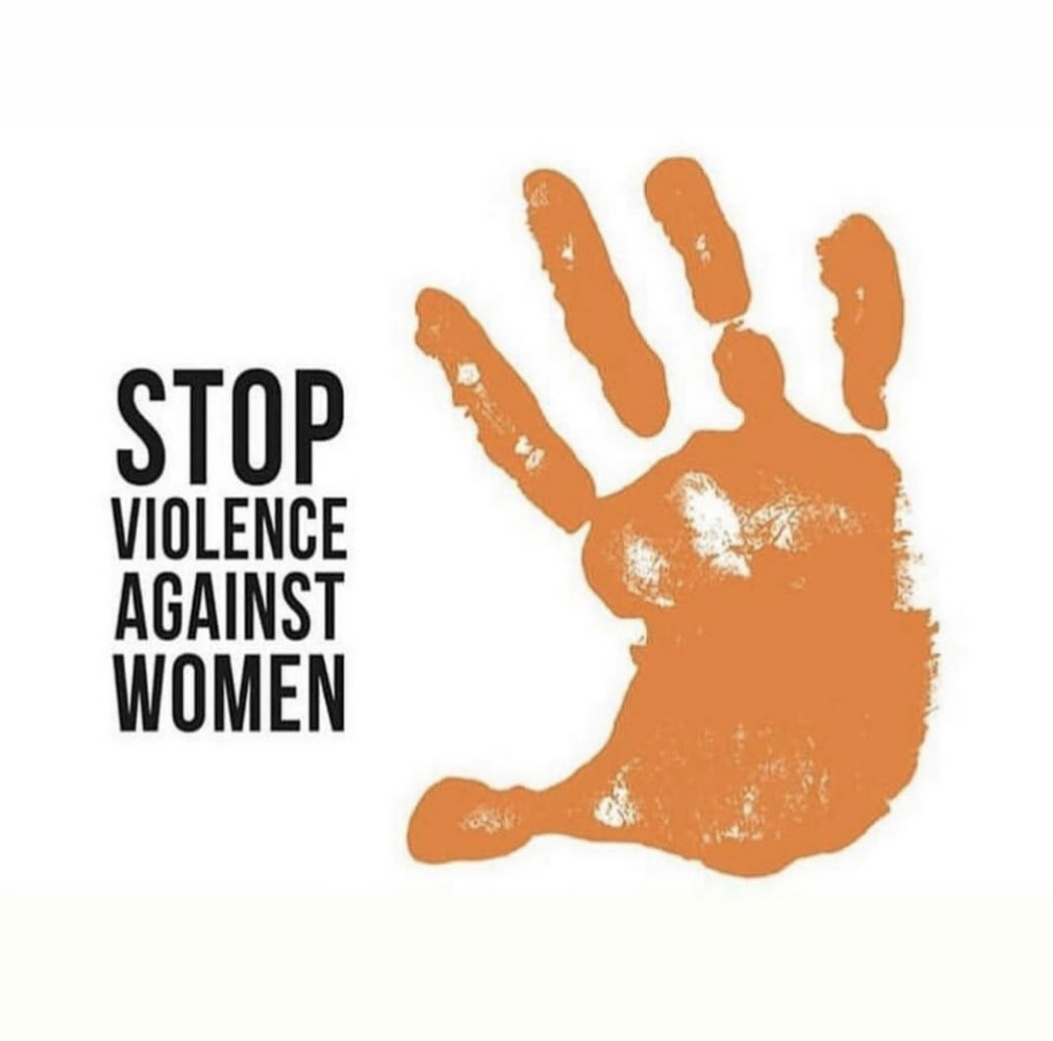
Victim blaming is common, but it has to stop. We could push for laws to be enforced and, frankly, we should, but what we need to do is get to the root of the problem. We have to humanise and nurture every single one of our fellow citizens. We have to do this from their birth. We owe it to our children, to the babies who have just been born and to the ones who will be born in the future. Women’s and girls’ lives matter. Say their names.
 CyberBright
Your voice is powerful in this piece.
Your work has impact.
So glad you are able to do this work.
All the best
Odette Harris MD, MPH
Professor, Neurosurgery
Vice Chair, Diversity, Department of Neurosurgery
Director, Brain Injury
Stanford University School of Medicine
LikeLike